Fridge and Appliance Removal: Safe, Sustainable, and Stress-Free
Removing a refrigerator or other large appliances is more than a simple hauling task. It requires attention to safety, environmental regulations, and logistics. Whether you are replacing an old fridge, clearing out a rental property, or downsizing, understanding the process and options for fridge and appliance removal helps you avoid fines, damages, and harmful disposal practices.
Why Proper Appliance Removal Matters
Large appliances like refrigerators, washers, dryers, and ovens contain materials that require special handling. Refrigerants, oils, and electronic components can be hazardous if released or discarded improperly. Responsible appliance removal protects your household, the movers, and the environment. It also ensures compliance with local waste management and recycling regulations.
Environmental and Legal Considerations
- Refrigerants and Ozone Impact: Older refrigerators may contain ozone-depleting substances. Improper venting or dismantling can release these chemicals.
- Electronic Waste: Modern appliances incorporate circuit boards and sensors that belong in e-waste streams.
- Local Disposal Laws: Many municipalities have specific rules for bulk waste and hazardous components.
- Landfill Restrictions: Some landfills refuse bulky appliances unless certain parts are removed or appliances are certified as drained.
Common Appliance Removal Options
Homeowners and property managers typically choose from several removal methods depending on convenience, cost, and environmental priorities. Each option has advantages and trade-offs.
Municipal Bulk Pickup
Many cities provide scheduled bulk waste pick-up services for large items. This is often the most affordable option, sometimes even free, but has limitations:
- Pick-up schedules may be infrequent.
- Restrictions on appliance condition or component removal may apply.
- Some municipalities require residents to arrange certified refrigerant reclamation.
Private Appliance Removal Services
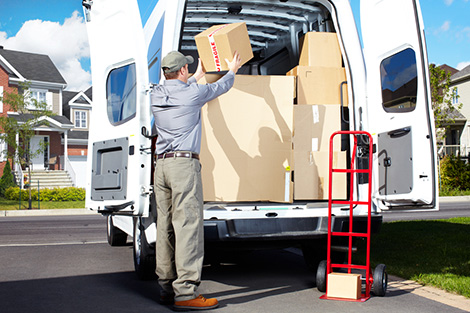
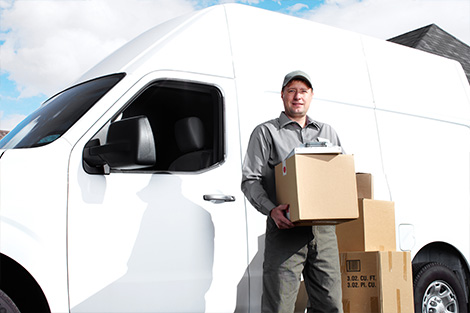
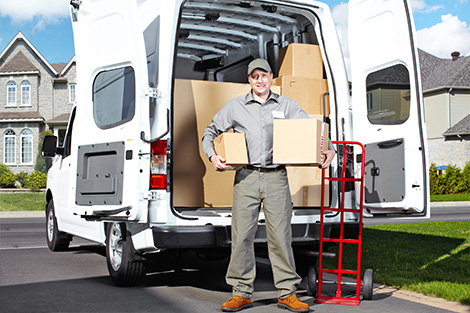
Commercial removal companies offer flexible scheduling, front-door or curbside pickup, and professional handling. Advantages include fast turnaround, insured crews, and additional services like disconnection and stair carry. Look for companies that advertise appliance recycling or donation coordination.
Recycling Centers and Drop-Off Locations
If you have transport available, recycling centers and designated drop-off sites accept appliances for material recovery. This option often yields the highest environmental benefit because appliances are dismantled and recycled into steel, plastics, and electronic parts.
How Appliances Are Processed for Recycling
Appliances undergo several steps to recover valuable materials and properly handle hazardous components. Understanding the process explains why professional removal and certified recyclers matter.
- Depollution: Trained technicians remove refrigerants, oils, and mercury-containing components.
- Disassembly: Doors, compressors, and electronic modules are separated from the cabinet.
- Material Sorting: Metals, plastics, and glass are sorted for recycling streams.
- Shredding and Processing: Final processing reduces items into recyclable feedstock.
Safety Tips Before Removal
Preparing your appliance for removal minimizes risk to movers and protects your property. Implement these practical steps:
- Empty and defrost: Remove food and defrost the fridge to prevent leaks and odors.
- Secure loose parts: Tape or remove shelves, drawers, and detachable components.
- Disconnect power: Unplug the appliance at least 24 hours before scheduled pickup where possible.
- Clear pathways: Ensure stairs, hallways, and exits are unobstructed to avoid damage or injury.
Special Considerations for Refrigerators
Refrigerators deserve particular attention because of compressors and refrigerants. Never attempt to remove refrigerant yourself. Certified technicians use recovery equipment to capture substances safely and legally.
Options for Reuse and Donation
Not all old appliances need to be recycled. If an appliance is still functional or repairable, consider donating or reselling. This extends the lifecycle of the product and reduces the environmental footprint. Options include:
- Donation to local charities or community organizations that accept working appliances.
- Listing for sale on marketplace platforms if the unit is in good condition.
- Offering to friends, family, or neighborhood programs that refurbish appliances.
Note: When donating, always be transparent about the appliance’s condition and any needed repairs. Some organizations have strict acceptance policies and cannot take units with coolant leaks or severe electrical issues.
Costs and Pricing Factors
The cost of fridge and appliance removal depends on several variables. Understanding these helps you get accurate quotes and avoid surprises:
- Size and weight: Larger, heavier units require more labor and equipment.
- Access difficulty: Stairs, elevators, and narrow hallways increase handling time.
- Required services: Disconnecting plumbing or gas lines or performing refrigerant recovery adds to the cost.
- Disposition choice: Donation drop-off, recycling, or landfill fees vary by facility.
Choosing a Responsible Removal Provider
Selecting the right provider ensures safety, legal compliance, and environmental responsibility. Look for these indicators:
- Certifications for refrigerant handling, e-waste, or hazardous material management.
- Transparent pricing that outlines labor, disposal, and any additional fees.
- Insurance and liability coverage to protect your property during removal.
- Clear recycling or donation policies that state how appliances are processed.
Questions to Ask
- Will the provider recover refrigerants and document the process?
- Do they provide proof of recycling or disposal?
- Are there any items they will not accept?
- How is pricing calculated for difficult pickups?
Final Thoughts
Fridge and appliance removal is a necessary chore that, when done correctly, protects public health and the environment. Prioritizing certified removal, recycling, and safe handling ensures hazardous materials are managed properly and useful components are recovered. Whether you opt for municipal pickup, a private removal company, or a recycling drop-off, planning ahead and understanding local rules will make the process efficient and reliable.
Investing a little time to choose responsible removal options pays off in long-term environmental benefits and legal peace of mind. Proper disposal is not just a convenience—it’s a commitment to safer communities and a healthier planet.