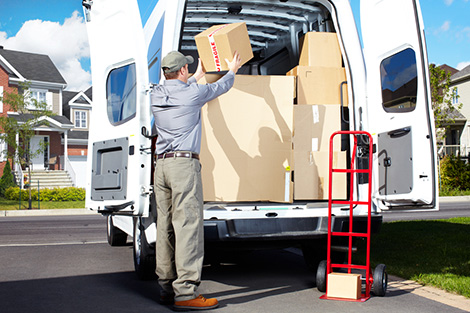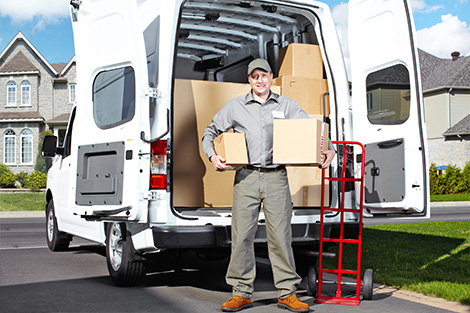
Access Problems on Hounslow Narrow Streets Removals Help
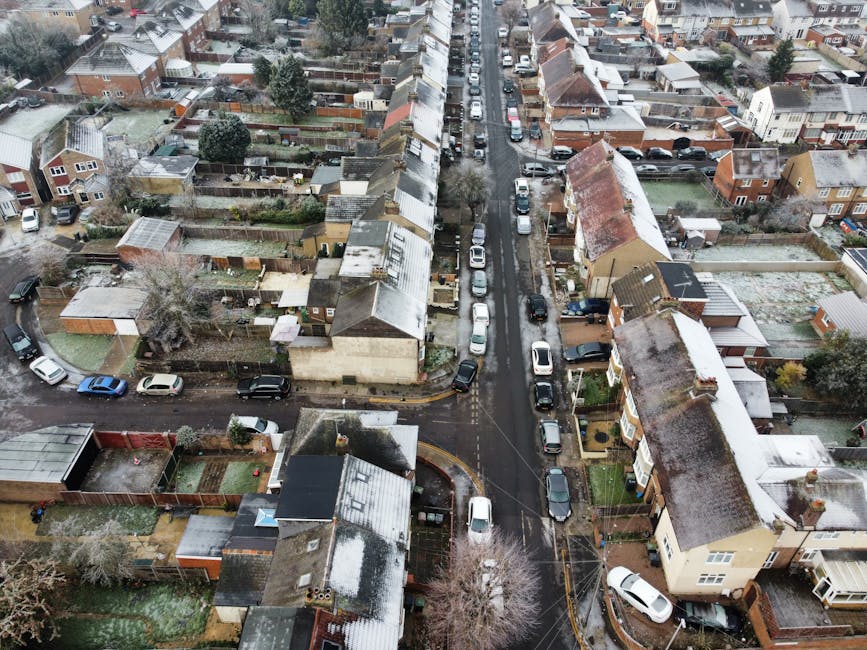
If you are trying to move on a road where a van can barely squeeze past parked cars, you already know the feeling: one wrong turn, one blocked bay, and the whole day can start sliding sideways. Access problems on Hounslow narrow streets removals help is about making that kind of move calm, practical, and manageable instead of stressful and improvised. In Hounslow, narrow residential roads, tight turning circles, low-hanging trees, permit issues, and busy shared driveways can all turn a straightforward move into a bit of a puzzle. The good news? With the right planning, vehicle choice, and loading approach, most access headaches can be handled without drama.
This guide walks through what access problems actually mean, why they matter, how a removal is adapted around them, and what you can do before moving day to keep everything moving smoothly. You will also find a comparison table, a realistic example, and a checklist you can use straight away.
Why access problems on Hounslow narrow streets removals help matters
Access issues are not just a nuisance. They affect the speed, safety, cost, and overall success of a move. On a narrow street, the van may not be able to park right outside, or it may fit only with careful positioning. Sometimes the biggest issue is not the width of the road itself, but the combination of parked cars, corner bends, bin day, and neighbours who are also trying to get out. Let's face it, all of that can make a move feel a bit too lively.
When access is poor, the moving team may need to carry items further, make more trips, or switch to a smaller vehicle. That changes the job. It also changes the risk profile. Longer carries mean more lifting, more time, and more chances for damage if the route from property to van is awkward, slippery, or cluttered.
For homes in Hounslow, especially terraces, converted flats, and older streets, access planning is often the difference between a smooth move and a frustrating one. It matters even more if you have heavy furniture, fragile items, or a tight moving schedule. A little planning upfront saves a lot of faffing about on the day.
Practical takeaway: narrow street access is not something to "sort out on arrival". It should be checked before the move, discussed clearly, and built into the transport plan from the start.
If your move also involves dismantling furniture, wrapping awkward pieces, or clearing unwanted items, it can help to combine the access plan with services such as packing and unpacking support or a broader home move service so the whole process is coordinated, not patched together at the last minute.
How access problems on Hounslow narrow streets removals help works
The basic idea is simple: instead of forcing a standard-size removal into an awkward street, the move is adapted to the property and road conditions. That usually starts with a pre-move assessment. A good mover will ask questions about the road width, parking, steps, driveway access, lift access if you are in a flat, and whether larger vans can get close enough to the door.
From there, the solution may include one or more of the following:
- using a smaller vehicle for better manoeuvrability
- splitting the load into shuttle runs if the larger truck cannot get close
- choosing an earlier or quieter arrival window
- planning around resident parking, loading bays, or road restrictions
- protecting furniture more carefully if items must be carried further
- preparing a clearer route from the front door to the vehicle
Truth be told, the work often looks simple from the outside. But the person managing the move has to juggle road access, handling time, safety, and timing all at once. That is why experience matters. A mover who understands tight London streets will usually spot access issues before they become a problem.
In some cases, a man with van service is enough. In others, particularly where there is more furniture or a longer distance to carry, a removal truck hire option or a larger moving truck may be better, as long as the street can physically take it. The right answer depends on the road, not just the inventory list.
Key benefits and practical advantages
Using access-aware removals help is not only about avoiding problems. It can make the whole move better in ways people notice immediately.
- Less risk of damage: fewer awkward turns, fewer rushed lifts, and a better plan for fragile or bulky items.
- Faster loading and unloading: when the route is thought through, the team spends less time backtracking or repositioning.
- Lower stress: you are not standing in the street wondering whether the van can fit, which is surprisingly calming.
- Better handling of bulky items: sofas, wardrobes, beds, and appliances are easier to move when the access route is mapped in advance.
- Improved safety: clear walkways and proper vehicle positioning reduce the chances of trips, knocks, and strained lifting.
- More accurate planning: the mover can estimate timings and resources with more confidence, which helps with the rest of your day.
There is also a financial angle, even if nobody likes talking about it. Better access planning can reduce wasted labour time and avoid last-minute vehicle changes. That means the job is more likely to be priced and completed fairly. If you want to understand how this is usually handled, a good starting point is the company's pricing and quotes information, which should help set expectations before anything is booked.
Who this is for and when it makes sense
This kind of removals help is useful for a lot of people, not just those on extremely tight roads. If any of the situations below sound familiar, access planning is worth your attention.
- you live on a narrow residential street with parked cars on both sides
- you are moving from a top-floor flat with limited stair access
- your property is set back from the road and the carry distance is long
- there is no driveway or the driveway is too tight for a larger vehicle
- you have large furniture, appliances, or office equipment to move
- you need the move completed within a specific time window
- you are relocating a business from a road where loading is awkward
It also makes sense if you are moving just a few items but one or two of them are awkward enough to cause trouble. A sofa can be the problem, not the whole house. A fridge can be the problem, not the whole flat. That is exactly why services such as furniture pick up and fridge and appliance removal can be useful alongside a standard move when access is tight.
If the job is commercial rather than domestic, access becomes even more important because downtime matters. For business relocations, see commercial moves or office relocation services if you need a more structured approach.
Step-by-step guidance
Here is a sensible way to handle narrow-street access without turning the move into guesswork.
- Check the street conditions early. Look at road width, bends, parking patterns, and whether any cars usually block the route.
- Measure the key spaces. Doorways, hallways, stairs, and any tight corners matter just as much as the road outside.
- List your bulky items. Make a note of sofas, beds, wardrobes, appliances, and anything awkward to rotate or carry.
- Describe the access honestly. If the van cannot park outside, say so. If there is a long carry, say that too. No point pretending otherwise.
- Ask what vehicle size is suitable. A smaller van may be more useful than a larger one if parking and turning space are limited.
- Prepare the route. Move bins, bikes, plant pots, and anything else that could catch someone's foot or scratch furniture.
- Protect the property and items. Use covers, wraps, and padding where needed, especially on stairs and tight corners.
- Keep documents and essentials separate. This is one of those tiny things that saves a lot of panic later.
- Confirm timing and parking details. If there is a suitable place to stop for just a few minutes, note it clearly.
- Have a backup plan. If access is worse than expected on the day, decide in advance what can be carried first, what can be dismantled, and what can wait.
If you prefer to handle the packing yourself, fine. But if the stairwell is awkward and the street is tight, a more complete setup can be easier. A lot of people choose man and van support for smaller loads, then add packing and unpacking services when speed and protection matter more than doing everything solo.
Expert tips for better results
In practice, a few small decisions make a big difference.
First, book for the calmest part of the day if you can. Early mornings often mean less traffic, fewer parked cars moving in and out, and a slightly better chance of finding a usable stopping point. Not always. But often enough to matter.
Second, keep bulky items ready to go. If the crew arrives and the wardrobe is still full of clothes, or the bed has not been dismantled, the access problem gets worse because the whole job takes longer. Simple really.
Third, be honest about the heavy stuff. A very old sofa on a narrow staircase is not the same as carrying out a bag of bedding. If one item is likely to be awkward, flag it. That helps with planning and safety.
Fourth, protect the route, not just the furniture. Hallway corners, banisters, and front steps are often where damage happens. A bit of padding there can save a lot of hassle.
Fifth, think about what should not be moved at all. If you are clearing out a property, disposal may be more sensible for some items than forcing them through a tight route. For those situations, you may want to look at mattress and sofa disposal, hazardous waste disposal, or what can go in a skip to understand what is suitable for removal versus disposal.
And one small but important point: keep neighbours in mind. Narrow streets are shared spaces. A polite heads-up sometimes prevents awkwardness, especially where parking is tight. That little bit of courtesy goes further than people expect.
Common mistakes to avoid
Most access problems are manageable. The bigger issue is when people assume they will sort themselves out on the day. That is where things start slipping.
- Assuming a large van will fit: street width, turning room, and parked cars can easily make that impossible.
- Not mentioning long carry distances: if the van must park around the corner, the move will take longer.
- Underestimating stairs: narrow staircases and corners are often harder than the road outside.
- Forgetting to dismantle furniture: if it cannot turn a corner, it may not leave the property in one piece.
- Leaving clutter in the access path: bikes, shoes, bins, and boxes all become obstacles very quickly.
- Ignoring delivery and parking restrictions: even a perfect plan can be undermined if stopping options are limited.
- Not telling the mover about awkward items: honesty saves time and keeps everyone safer.
One slightly embarrassing but common mistake? People often remember the big wardrobe and forget the small, annoying piece of furniture that is somehow the one that blocks the hallway. There is always one. Always.
Tools, resources and recommendations
You do not need a pile of specialist equipment to deal with a narrow street move, but a few practical tools help.
- Measuring tape: to check doorways, corridors, and the width of the tightest turns.
- Furniture blankets and protective covers: useful for long carries and stairwells.
- Straps and trolleys: helpful for heavier boxes and appliances, where appropriate.
- Basic labels: these make it easier to load items in the right order when space is limited.
- Phone camera: a few photos of the street, entrance, and access route can be very useful when discussing the move.
If you are not sure whether a vehicle is suitable, it can help to speak directly with the removals provider before booking. A service page such as man with van or removal truck hire should be matched to the access, not just to the amount of stuff you own.
For people who want a clean and organised move, it is also worth checking the company's health and safety policy, insurance and safety, and recycling and sustainability pages. Those are useful signals that the business thinks about handling, risk, and responsible disposal rather than just getting items from A to B.
Law, compliance, standards and best practice
When a move involves tight access, the main compliance concerns are usually practical rather than dramatic. The key is to work safely, avoid causing obstruction, and follow any local parking or loading arrangements that apply to the street. It is sensible to treat these as planning issues, not last-minute surprises.
For a removals job, best practice normally includes:
- making a realistic assessment of access before the day
- keeping walkways clear where possible
- avoiding unsafe lifting or carrying methods
- using suitable vehicle sizes for the location
- handling fragile or bulky items with appropriate care
- being transparent about what can and cannot be moved safely
If disposal is part of the job, waste handling should be separated clearly from household moving. Not everything should go in the back of a van and hope for the best. Items like old appliances, sofas, mattresses, or anything potentially hazardous need the right treatment and, where relevant, the right service. That is where pages such as fridge and appliance removal and hazardous waste disposal become particularly relevant.
Also, if you are sharing access routes with neighbours or a block entrance, a tidy, respectful approach is simply best practice. It keeps the move moving, which is really the whole point.
Options and comparison table
Different access problems call for different solutions. There is no one-size-fits-all answer, and that is fine.
| Option | Best for | Strengths | Limitations |
|---|---|---|---|
| Small man and van | Light to medium loads on very tight streets | Easier to park, easier to turn, often quicker in restricted areas | May need multiple trips for bigger moves |
| Larger removal truck | Moves with more volume and better road access | Fewer trips, more efficient loading, better for full-house moves | May struggle on narrow streets or limited turning space |
| Shuttle-style loading | When the van cannot park close to the property | Flexible, practical for awkward roads | Takes longer and needs good coordination |
| Partial move plus disposal | When some items are not worth taking | Reduces load and simplifies access | Requires planning around what to keep and what to clear |
For many Hounslow homes, the best answer is not the biggest vehicle. It is the smartest vehicle. That is a small but important distinction. If the load is modest and the street is unforgiving, a compact option can beat brute force every time.
Case study or real-world example
A typical example might look like this. A family in a terraced house in Hounslow is moving to a larger place, but their road has parking on both sides and a bend that makes bigger vehicles awkward. The street is quiet in the morning, then suddenly full of school-run traffic and delivery vans by late morning. The house itself is straightforward, but the access is the headache.
Instead of sending in a large truck and hoping for the best, the move is planned around a smaller vehicle and an earlier arrival. The wardrobe is dismantled the night before, the route from front door to pavement is cleared, and fragile items are packed separately. One sofa is carried carefully with protection on the corners, and a few boxes are loaded first so the moving team can work efficiently. Nothing flashy. Just a sensible plan.
The result? Less standing around, less stress, and no awkward double-parking drama. The move still takes effort, of course. But it feels organised. That matters on moving day, especially when people are already tired and the kettle is probably the most popular item in the house.
Practical checklist
Use this before moving day if you are dealing with a narrow street or awkward access.
- Measure doorways, hallways, stairs, and any sharp corners
- Check whether a van can stop close to the property
- Note any parking restrictions or loading limits
- Tell the mover about long carries and upper-floor access
- List bulky, heavy, or fragile items separately
- Dismantle furniture that will not fit cleanly through tight spaces
- Clear the path from the property to the vehicle
- Protect walls, banisters, and furniture edges
- Separate items for disposal from items being moved
- Keep keys, documents, and essentials in one easy-to-reach place
- Confirm the booking details and timing again before the day
Quick summary: if the road is narrow, the best move is usually the one that is planned like a route, not treated like a surprise.
If you are ready to compare options, you can review house removalists for broader home support or use book online when you already know what kind of move you need. For company background and service standards, about us and accessibility statement are also worth a look.
Conclusion
Access problems on Hounslow narrow streets removals help is really about one thing: turning a difficult location into a workable plan. Narrow roads, parked cars, tight staircases, and awkward turns do not have to wreck a move, but they do need proper attention before the van arrives. The earlier you look at access, the easier it becomes to choose the right vehicle, protect the property, and keep the day on track.
Whether you are moving a flat, a family home, or a small business space, the right approach is usually calm, careful, and slightly more detailed than people first expect. That is normal. And honestly, it is better that way.
Get a free quote today and see how much you can save.
When the street is tight and the day is busy, a thoughtful plan can make the difference between chaos and a move that feels surprisingly under control. That quiet little win is worth a lot.
Frequently Asked Questions
What counts as an access problem on a narrow Hounslow street?
An access problem is anything that stops the moving vehicle or crew from reaching the property easily. That can include narrow roads, parked cars, low trees, tight bends, long carry distances, or stairs that are difficult to navigate with furniture.
Should I tell the removals team if the van cannot park outside?
Yes, absolutely. That is one of the most useful things you can tell them. If the vehicle has to stop further away, the team can plan for extra walking time and adjust the load accordingly.
Is a smaller van always better for narrow streets?
Not always. A smaller van is easier to manoeuvre, but if you have a lot of furniture, you may need multiple runs. The best choice depends on both the street and the amount of stuff being moved.
How do I know if my sofa or wardrobe will fit through the access route?
Measure the narrowest doorway, stair turn, and hallway corner before moving day. If in doubt, take photos and share them with the mover. A few clear pictures can tell you a lot more than a vague description.
What should I do if parking is very limited on my road?
Plan ahead. Consider the quietest time of day, check whether a loading spot is realistically available, and be honest about the distance from the property to the road. The move may need a smaller vehicle or a shuttle approach.
Can access issues make a move more expensive?
They can, because awkward access often takes more time and may need extra labour or a different vehicle. That said, clear planning usually helps keep costs under control because it reduces delays and last-minute changes.
Do I need to dismantle furniture for narrow staircases?
Sometimes yes. If a piece of furniture will not safely turn a corner or fit through a landing, dismantling it is often the safest option. It is a bit of a faff, but usually worth it.
What if there are items I do not want to move at all?
Then it makes sense to separate them from the moving load and look at the right disposal option. For example, appliances, mattresses, and sofas may need different handling from standard household items.
How far in advance should I mention access problems?
As early as possible. Ideally, mention them when asking for a quote or booking the service. The earlier the team knows, the better they can plan vehicle size, timing, and loading order.
What is the best type of removals service for a very tight street?
For a lighter move, a smaller van-based service can be ideal. For larger moves, a more flexible removals setup may work better if the street can take it. The best option depends on access more than anything else.
Can access help include packing and dismantling support?
Yes. In many cases, the easiest way to manage a narrow street move is to combine access planning with packing help and furniture dismantling. That reduces delays and makes the load easier to handle.
What is the single biggest mistake people make with narrow-street moves?
Assuming the van will somehow fit and the rest will sort itself out. That rarely goes well. A quick access check before the move is usually the difference between a smooth day and a stressful one.